
Trusting Yourself When the World Feels Uncertain
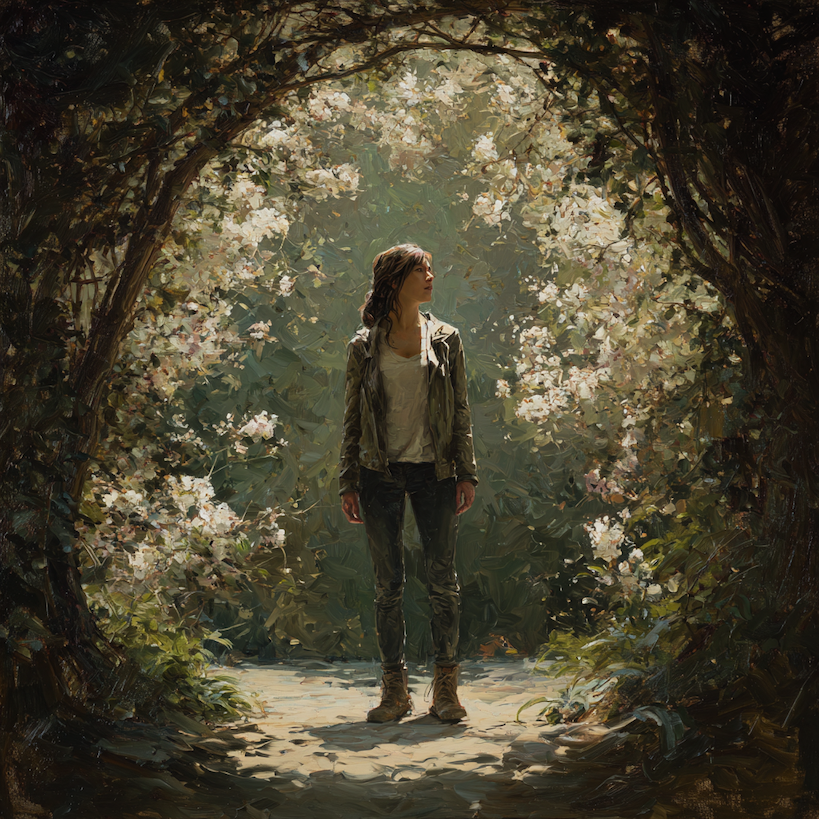
When things feel unsteady — and a lot of things feel unsteady right now — the instinct is to look harder for someone who knows better. An expert, a system, a person with a confident voice and a clear answer. You scan around for the authority who's going to tell you what's true and what to do, because surely someone out there has more solid ground than you do.
I understand the impulse completely. We were trained into it. From the time we were small, we were taught to look outside ourselves for the answers — to the teacher, rule, or person at the front of the room. So when the ground feels shaky, looking outward isn't a flaw in you. It's the most practiced move you have.
But I want to ask the question underneath it, because I think it changes things: what happens when you stop?
Not when you stop caring what anyone thinks. When you stop outsourcing your decision-making. When you stop treating everyone else's certainty as more reliable than your own sense of things.
Here's what I've come to think, and I don't say it lightly: there isn't an authority out there that's greater than the one inside you. Not because you magically know everything, but because no one else is living your life from the inside. No one else feels what you feel in your body when something is right or off. The expert has information, but you have something the expert can't have — direct access to your own knowing and lived experience. And when the world is loud and uncertain, that inner voice is the steadiest thing you've got, precisely because it isn't blown around by every headline.
A lot of what we built our sense of safety on is shifting right now. Things that felt fixed don't feel as fixed. That's disorienting, and I'm not going to pretend it isn't. But underneath the disorientation, something useful is happening: the more the external scaffolding crumbles, the harder it is to keep pretending it was ever going to hold you. There's a kind of freedom in that, even when it doesn't feel free yet. Fewer places to hide means fewer places to abandon yourself.
So the work, as I see it, is to start releasing the belief that anybody knows better than you. Not the belief that other people are smart, or worth listening to, or worth learning from — keep all of that. The belief that their knowing should cancel out yours. That if a confident enough voice tells you something, you should set down what your own body has been telling you all along.
That's the thing to put down: the codependence on being told what to do and when.
I'll be honest about why this is hard. Trusting yourself when the world feels uncertain is uncomfortable, because there's no one to blame if you're wrong. When you follow an authority and it goes sideways, at least you can say you did what you were supposed to. When you follow yourself, you're on the hook for it. That exposure is exactly why most people keep reaching outward — not because the outside is more reliable, but because it's less lonely to be wrong in a crowd.
But you didn't come this far in your own self-awareness to hand the wheel to the loudest voice in the room. You came here to learn to drive.
So when it feels like there's no solid ground anywhere, try this instead of scanning for an authority: get quiet, get back in your body, and ask yourself what you already know. Not what you should know. What you do. It's usually quieter than the noise outside, and it's almost always been right.
Your sense of things is needed right now — yours specifically, not a borrowed version of someone else's. So trust it, and let it lead.
Be Your Own Oracle
Clear what isn't yours and hear what is with The Daily Meditation. It guides you through your Human Design energy centers — clearing the absorbed energies, shielding your energy field, and getting you quiet enough to hear what your inner voice has to say.
